Radiofrequency ablation can also treat a larger area compared to steroid injections. Radiofrequency ablation isn’t new — in fact it’s been performed for many years in pain management.

What If Radiofrequency Ablation Doesnt Work Tulsa Pain
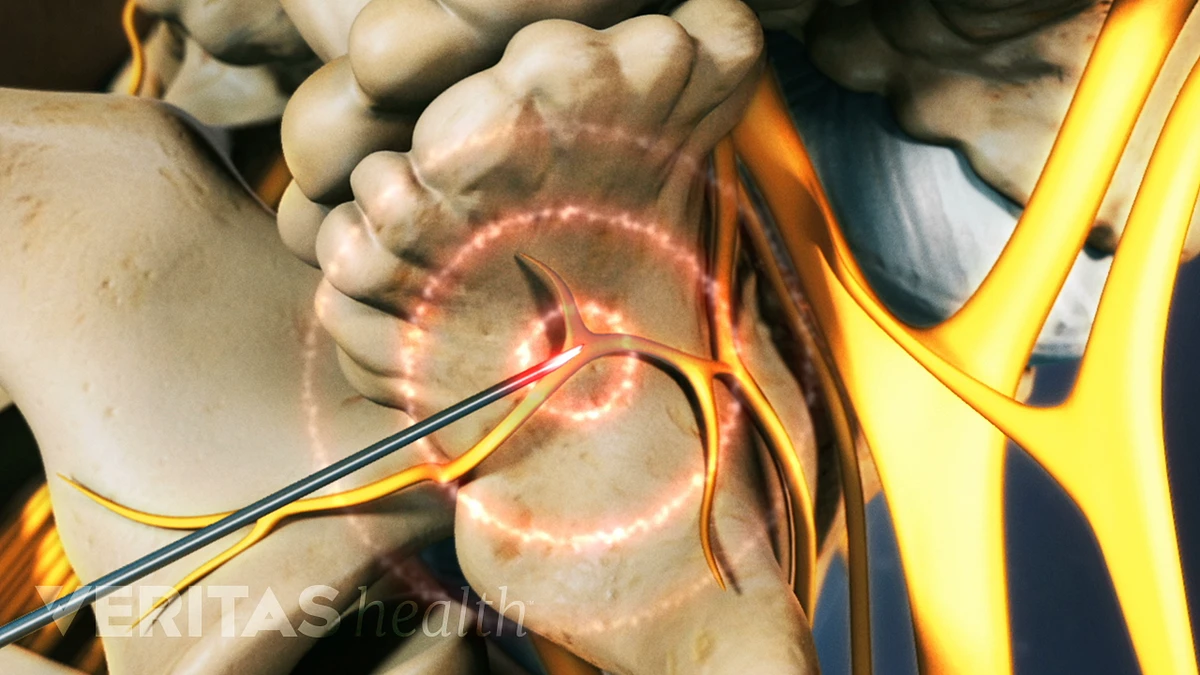
It works by essentially “turning off” the pain signal from that nerve to your brain.

Does radiofrequency ablation always work. Medically reviewed by david zelman, md on september 11, 2019. It’s ideal if you’ve already tried injections with no success. This is one of those times in medicine when if we doctors named these devices for what they did, you as a patient would never sign up.
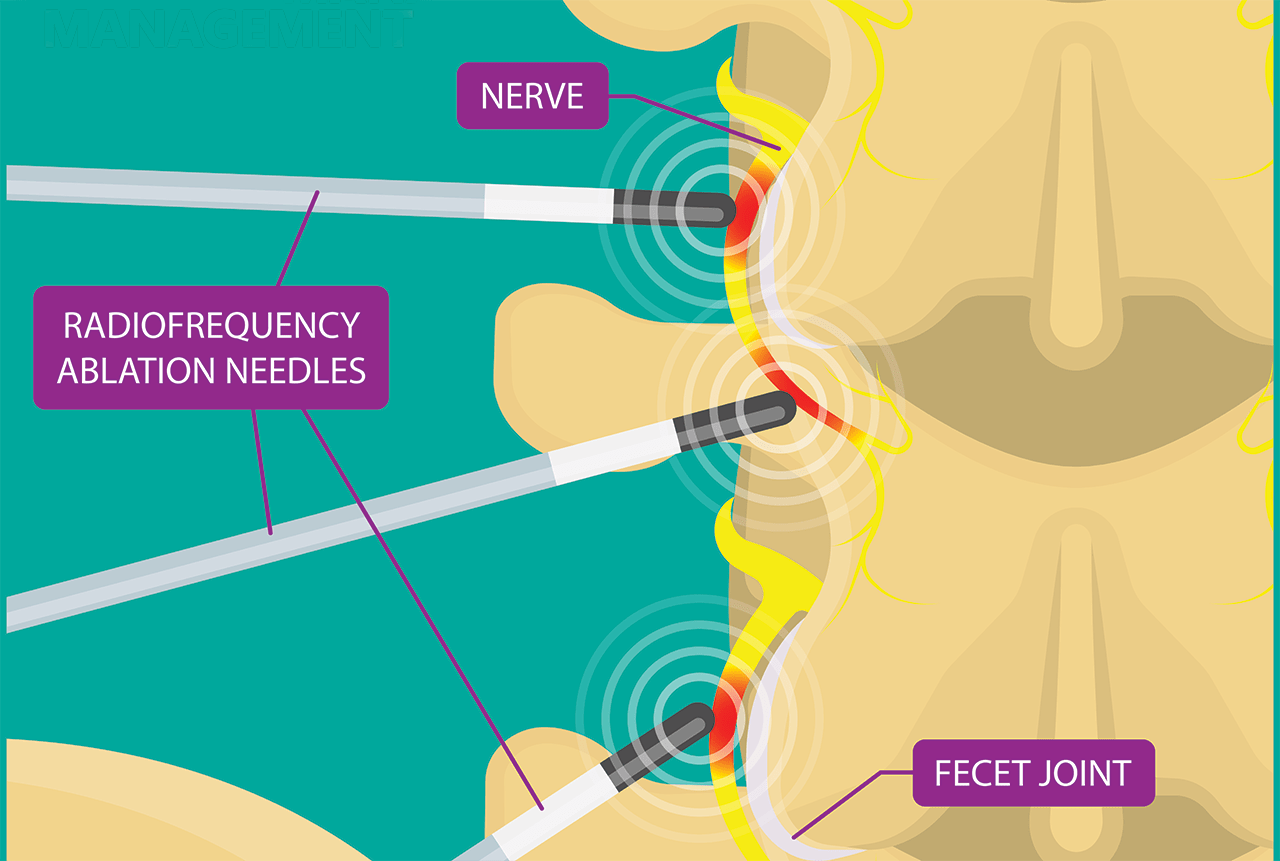
Radiofrequency ablation for arthritis pain. There’s always a chance your nerves won’t. How does radiofrequency ablation work?
What are the side effects of radiofrequency ablation? Radiofrequency energy ablates (burns) the nerves that are causing the pain. However, radiofrequency ablation works differently for every person.
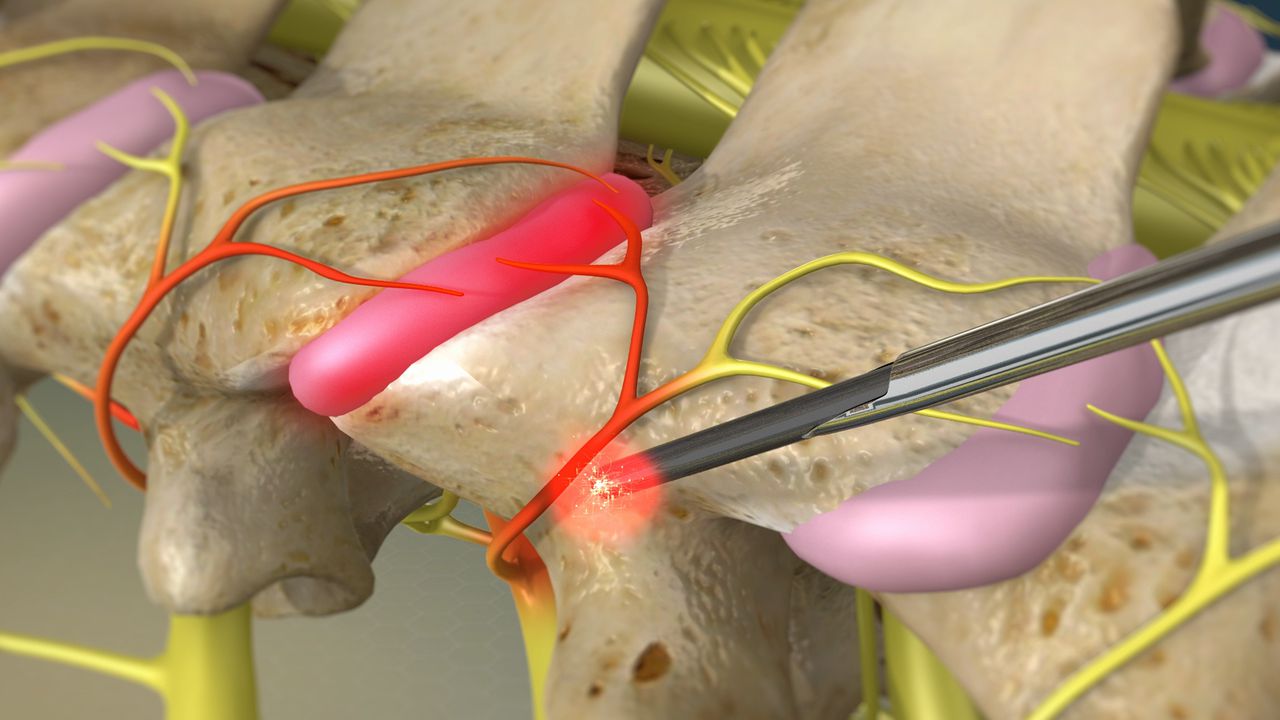
Here are some of them. How does a radiofrequency ablation work? Radiofrequency ablation uses a small current of thermal energy to reduce or stop the pain that’s caused by certain nerves.
Although sedation is not required, some patients can choose to. The goal of a radiofrequency ablation is to prolong the relief received from a medial branch block or facet joint injection. Radiofrequency ablation (or rfa) is a procedure used to reduce pain.
It uses an electric current to heat up a small area of nerve tissue to stop it from sending pain signals. Rfa is generally conducted in an outpatient setting, using either local anesthetics or sedation anesthesia. To schedule an evaluation at cleveland clinic’s department of pain management call 216.444.pain (7246) or 800.392.3353
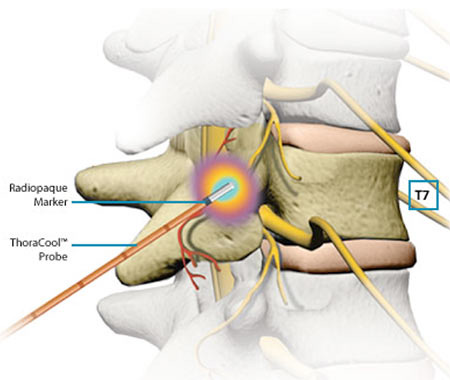
Once the needle is placed accurately, an active electrode is inserted through the needle and a small amount of electrical current is. The pain relief may last six months to a year or even longer. Possible side effects of the radiofrequency ablation may include slight discomfort, bruising or swelling at the site of the injection.
However, some people may experience certain side effects and/or complications from this treatment. How radiofrequency nerve ablation works is that it eliminates the transmission of pain signals to the brain by burning the nerve. Both unipolar (hua88) and bipolar (tan91) radiofrequency ablation cause similar acute and chronic effects, the extent of which is determined by the amount of energy applied to the tissue.
It is advised to discuss the potential risk of developing any adverse reactions or side effects of rfa with a doctor prior to this treatment. Even though radiofrequency ablation is not considered surgery, it is a minimally invasive procedure that disrupts your nerves, muscles, and soft tissues. Rfa uses radio waves to send heat to small areas of nerve tissue to reduce pain.
Radiofrequency ablation may be right for you if you have chronic pain that does not respond to other treatment, such as pain medication and physical therapy. Patients will receive a local anesthetic to the region. Radiofrequency ablation will not work for everyone but there are alternative treatments you can use to treat chronic pain.
Radiofrequency ablation will not work for everyone but there are alternative treatments you can use to treat chronic pain. Here are some of them. Commonly performed for back pain, particularly in the cervical (neck) or lumbar (low back) regions, radiofrequency ablation (rfa) is a treatment that uses heat energy converted from electromagnetic signals to destroy (ablate) nerves.
Patients with arthritis of the spine primarily benefit from rfa. Is radiofrequency ablation right for you? This heat is then applied wherever the tissue requiring ablation is located.
In short, rf ablation keeps pain signals from being sent to the brain when they shouldn’t be. Rfa has the benefit of relieving joint pain. It’s also a procedure that can work immediately and last for many months.
Radiofrequency ablations are only performed once a patient receives pain relief from an injection and the appropriate source of pain has. Some conditions that radiofrequency nerve ablation. This procedure often blocks the nerves for about 6 to 9 months, however it may last for a longer period which may last 18 to 24 months.
It can take three or more weeks for the full effects of radiofrequency ablation to be felt. Talk to your physician about it. How much pain is relieved after the procedure varies from person to person.
This can sometimes be performed in an outpatient setting, such as at a clinic or an emergency room. Radiofrequency ablation is a minimally invasive procedure that involves a needle that uses radio waves to ablate, or burn away nervous tissue. Radiofrequency ablation is a precise procedure that uses radio waves or electric current to generate enough heat interrupt the conduction in the nerves.
Radiofrequency ablation has proven to be a safe and effective way to treat chronic pain. Sometimes, nerves do grow back. In such cases, the radiofrequency ablation may need to be repeated.
Most patients report that these symptoms go away on their own within a. The radiofrequency waves ablate or burn the nerve fibers carrying pain signals to the brain. Basically, it uses energy in the radiofrequency spectrum to heat tissue and ablate (read “destroy”) tissue.
What is radiofrequency nerve ablation? Radiofrequency ablation typically targets pain from the facet joints, which can largely contribute to chronic pain in the neck or lower back, and sacroiliac joints, which can contribute to chronic low back pain. The area may be tender for a few weeks.
How long does radiofrequency ablation take to work? Here’s what you need to know if radiofrequency ablation has not seemed to help your pain. The right treatment for you depends on your condition and what you wish to achieve.
It has been shown that the application of microwave.

Rates Of Lumbar Radiofrequency Ablation On The Rise Despite Controversial Efficacy Data
Radiofrequency Ablation For Back Pain Reviews - Regenexx

Radiofrequency Ablation Conditions Treatments Ucsf Health
Radiofrequency Ablation Rfa
Nyc Radiofrequency Ablation Treatment Doctor Back Pain Specialist Sports Injury Clinic
Radiofrequency Ablation Rfa Side Effects And Risks
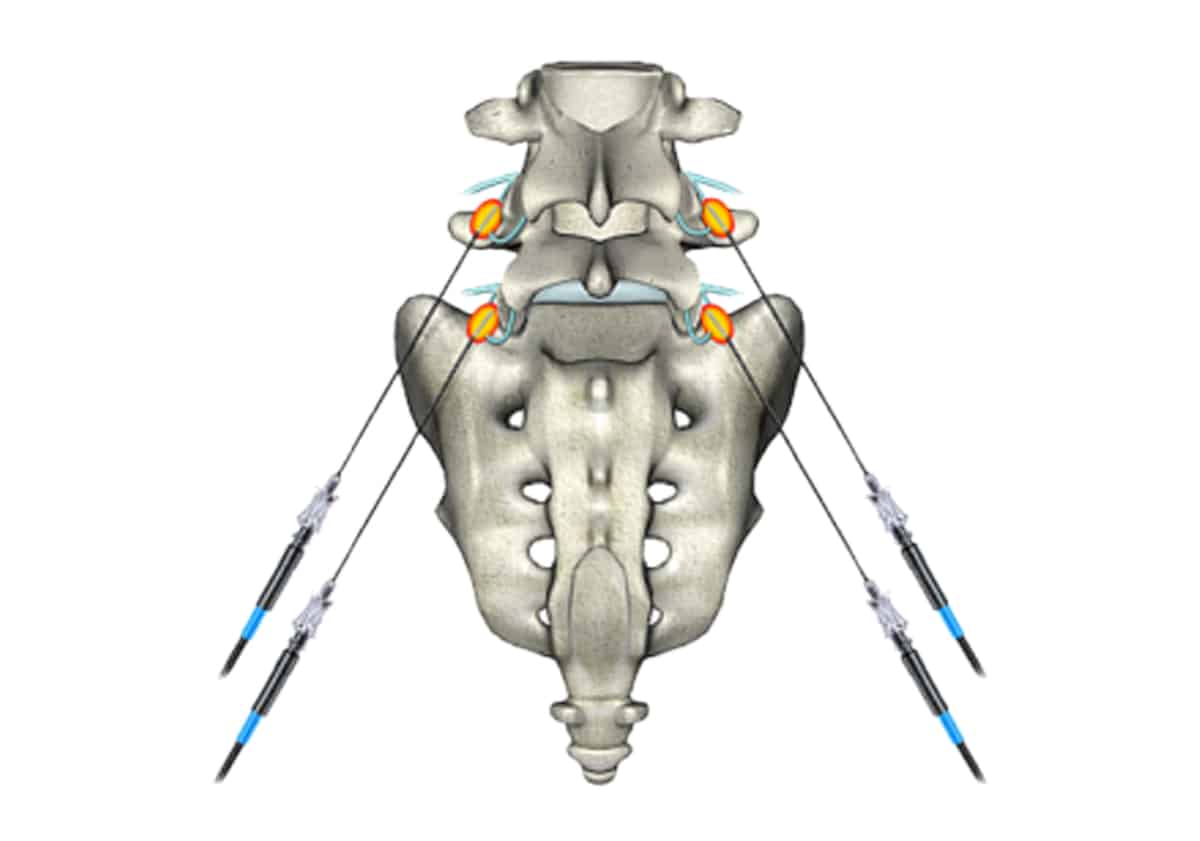
Radiofrequency Ablation Demystified 1 Spine Orthopedic Center
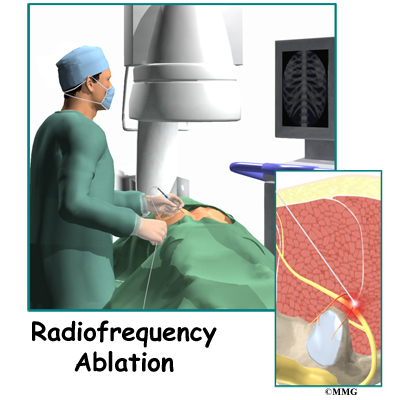
Radiofrequency Ablation - Eorthopodcom
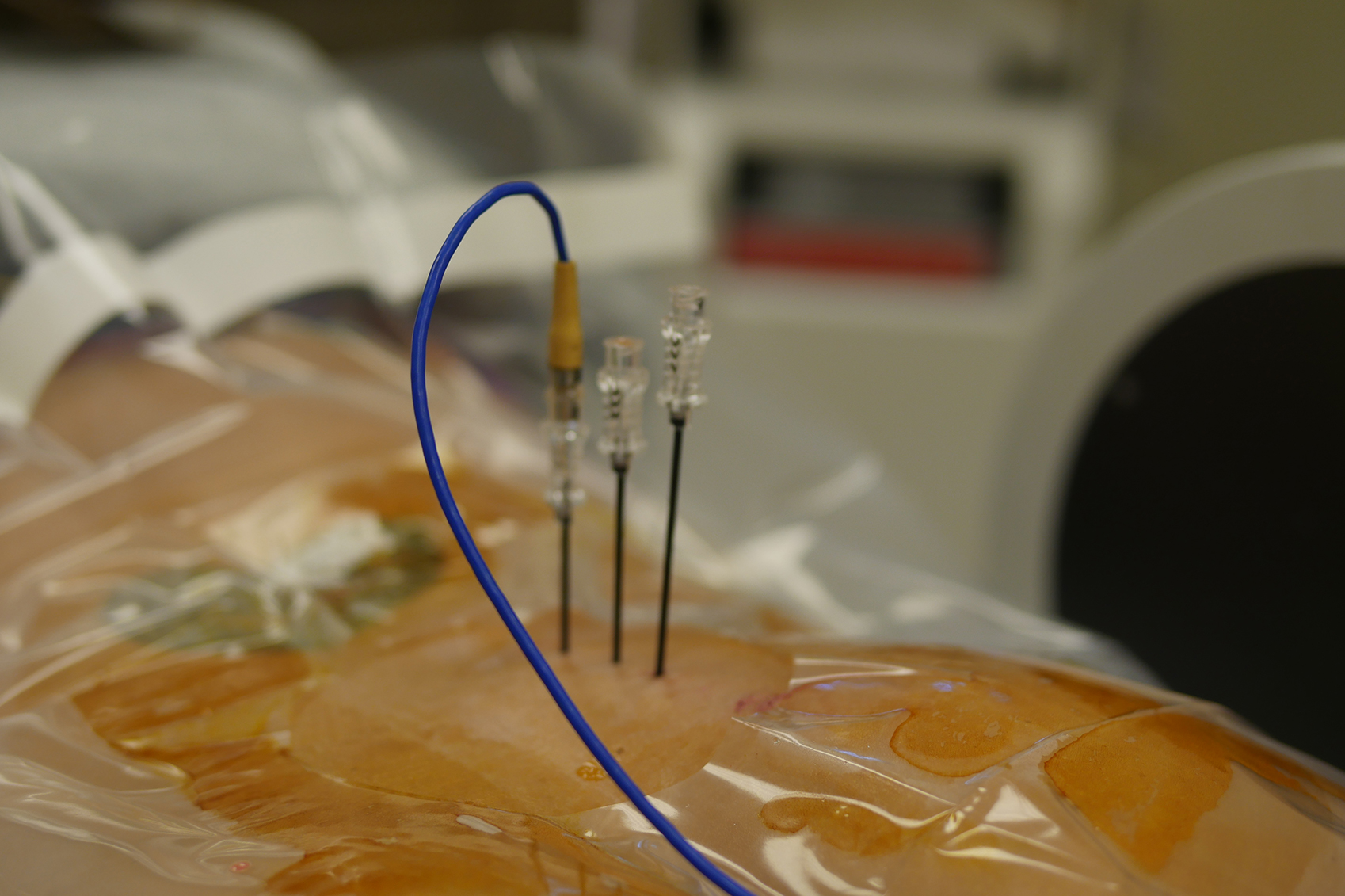
Radiofrequency Ablation Nuerotomy Arch Advanced Pain Management

Pin On Radiofrequency Ablation
Three Different Radiofrequency Ablation Rfa Devices Used A Rita Download Scientific Diagram

Need Pain Relief Consider Radiofrequency Ablation Cleveland Clinic

Could Radiofrequency Ablation Remedy Your Chronic Pain Alpenglow Pain Wellness Board Certified Interventional Pain Management Physicians
Radiofrequency Ablation Dermacos Dermatology Clinic

Radiofrequency Ablation Rfa Side Effects And Risks

Radiofrequency Ablation Interventional Spine
Radiofrequency Ablation Modern Cancer Hospital Guangzhou China

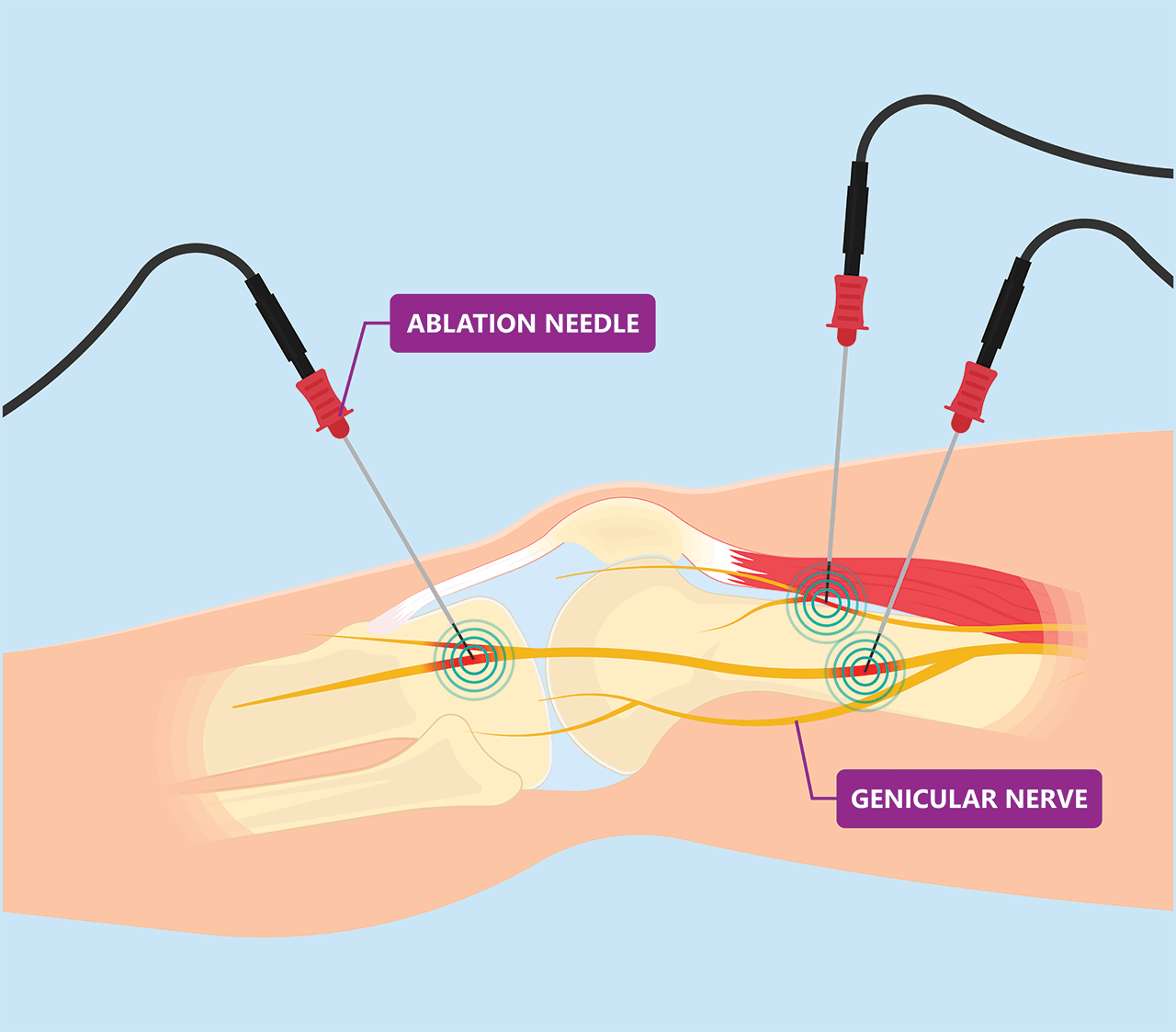
Should You Get Knee Nerve Ablation - Regenexx
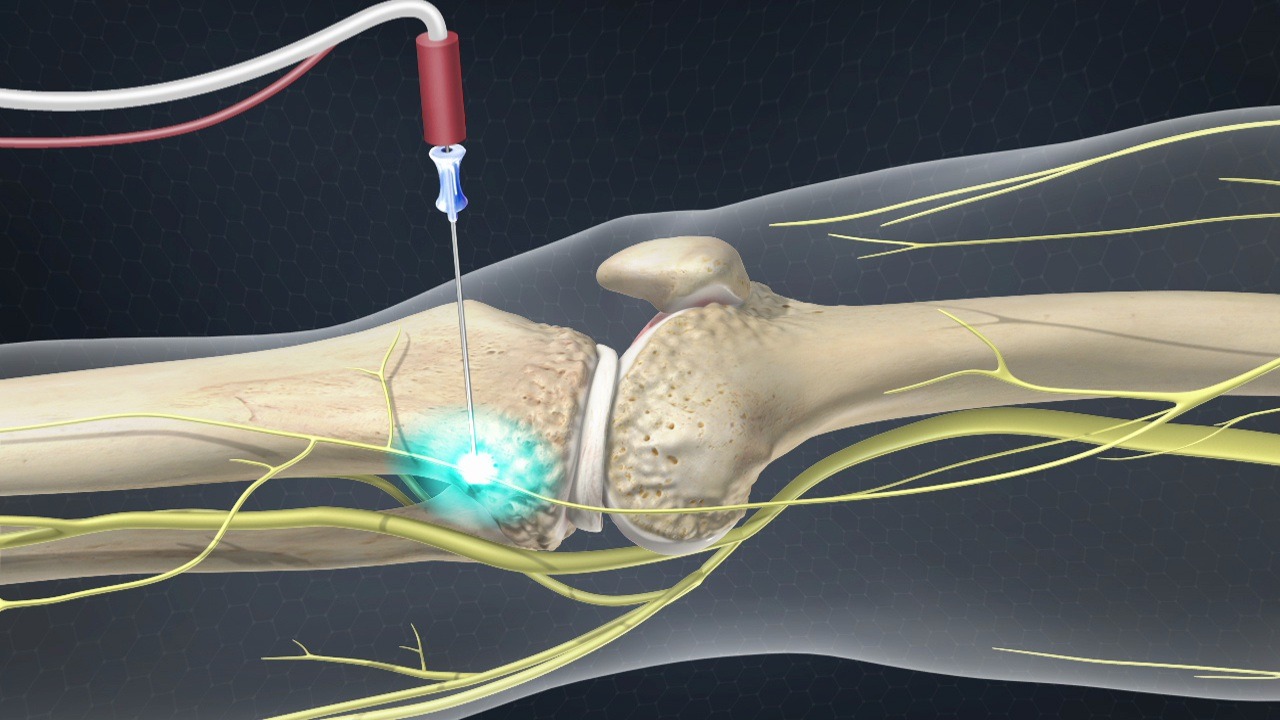
Radio Frequency Ablation Rfa - Cost Medicare Trials At Usa Spine Care
Comments
Post a Comment